If you follow a ketogenic diet and want to build or maintain muscle, you may wonder whether cutting carbohydrates makes that harder.
Building muscle while following a ketogenic diet may be possible, but ketosis alone does not determine whether muscle growth occurs. Resistance training, sufficient energy and protein intake, recovery and consistency all contribute to the process.
Research comparing ketogenic diets with other eating patterns has produced mixed results. Some studies suggest keto can reduce body weight and fat mass, while evidence that it helps build muscle is much less convincing.[1][2]
What does a ketogenic diet actually do?
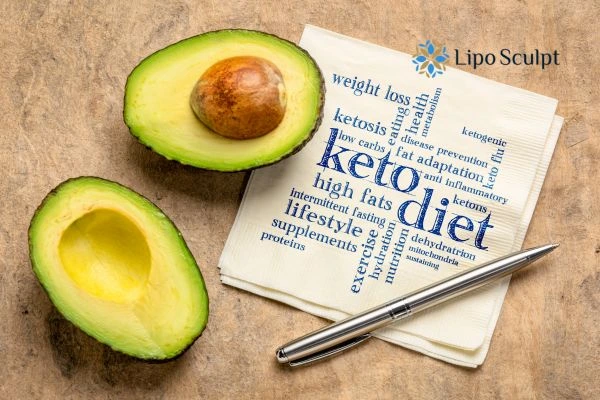
A ketogenic diet Croydon is a very low-carbohydrate eating pattern that encourages the body to produce ketones from fat. These ketones can provide an alternative source of energy when carbohydrate availability is low.
That is different from saying that ketosis automatically increases muscle growth.
Your muscles still need the right training stimulus and adequate nutrition to adapt. Ketosis itself should not be viewed as a muscle-building treatment or shortcut. See Here: Natural Diet Options for Body Transformation: What Really Helps?
It is also worth remembering that ketogenic diets vary considerably. The amount of carbohydrate, protein and fat can differ between individuals, so the term “keto” does not describe one identical diet.
Can you build muscle while in ketosis?
Yes, but the evidence does not show that ketosis is superior to a conventional diet for building muscle.
A systematic review and meta-analysis of resistance-trained participants found no significant advantage for ketogenic diets in increasing fat-free mass compared with other diets. However, the analysis included only five studies, so the evidence remains limited.[2]
A separate review of physically active people found that ketogenic diets were associated with reductions in body weight and fat mass. It also reported a small average decrease in fat-free mass, although results varied between studies.[1]
This matters because losing weight and gaining muscle are different goals.
If your priority is muscle growth, you need a suitable training stimulus and enough to eat to support recovery. If your priority is reducing body fat while maintaining as much lean mass as possible, the strategy may look different.
Resistance training comes first.
Resistance training provides the stimulus for improvements in muscle strength and size. The American College of Sports Medicine’s 2026 position stand, based on an overview of 137 systematic reviews, supports progressive resistance training for improving these outcomes.[3]
That means a ketogenic diet cannot replace a well-structured training programme.
You can incorporate exercises such as squats, presses, rows, lunges, and other resistance movements based on your experience, goals, and physical ability. Progress should be gradual rather than based simply on exercising as hard as possible.
Protein and overall nutrition matter
Adequate protein is another important part of supporting muscle development. Research into resistance training shows that protein intake and resistance exercise work together to support changes in muscle mass and strength.[4]
A meta-analysis of resistance-training studies found that protein supplementation can provide additional gains in muscle mass and strength, although the benefit depends on total protein intake and individual circumstances.[4]
Your body size, training, age, health, calorie intake and goals all matter. If you are making major dietary changes, particularly if you have a medical condition or take regular medication, individual advice from an appropriately qualified healthcare professional or dietitian is sensible.
Where could Tone Sculpt fit in?
Lipo Sculpt {namEe} offers Tone Sculpt, a non-surgical treatment that uses electromagnetic stimulation to produce muscle contractions in the targeted area. It has a different purpose from dietary changes and conventional resistance training, so it should be considered separately rather than as an alternative to either.
The important distinction is that a treatment such as Tone Sculpt should not be presented as a replacement for resistance training or a ketogenic diet.
If you are considering treatment, use a consultation to discuss your goals, suitability, the area being treated, and what the treatment can realistically achieve. If you want to understand the treatment itself, see Lipo Sculpt’s Tone Sculpt service information.
Claims about muscle growth, body composition, or treatment effectiveness should be based on evidence for the actual device and treatment protocol, not evidence from a different machine.

What Tone Sculpt can, and cannot, replace?
A muscle-stimulation treatment may be appealing to someone who is already exercising but wants to explore additional options for their body-contouring goals.
It should not, however, be described as a substitute for:
- regular resistance exercise
- adequate nutrition
- sufficient protein
- sleep and recovery
- appropriate medical care
It is also important not to confuse a cosmetic body-contouring objective with treatment for an underlying medical condition.
If you have pain, weakness, an unexplained change in muscle size, a new lump, significant abdominal separation or another unexplained physical symptom, seek appropriate medical advice rather than assuming a cosmetic treatment is the answer.
Is a ketogenic diet suitable for everyone?
Not necessarily.
A ketogenic diet can be quite restrictive, so it may not be the right choice for everyone. If you have certain health conditions or take regular medication, it’s worth getting professional advice before making major changes to your diet.
People with diabetes should speak to their healthcare team before making significant changes to carbohydrate intake. This is particularly important for anyone taking medication that affects blood glucose. The UK Kidney Association specifically advises people taking SGLT2 inhibitors against following a ketogenic diet because of the risk of diabetic ketoacidosis.[5][6]
A ketogenic diet Croydon may also be inappropriate in some other medical circumstances. If you have a medical condition, are pregnant or breastfeeding, take regular medication, or have concerns about your relationship with food, speak to an appropriate healthcare professional before making significant changes to your diet.

Questions to ask before starting
Before you combine a ketogenic diet with a body-toning treatment, it’s worth taking a moment to think about what you actually want to achieve and whether the treatment is right for you.
You may want to ask:
- What am I hoping to achieve — lose fat, build muscle or simply look more defined?
- Is a ketogenic diet suitable for me?
- Am I eating enough protein and getting the nutrients my body needs?
- Is my current resistance training helping me reach my goal?
- What does the treatment actually do?
- Is there good evidence behind the particular device or treatment being offered?
- Am I a suitable candidate?
- What results can I realistically expect from treatment?
- Are there things the treatment simply won’t change?
A good consultation should help you understand your options and set realistic expectations. You should never feel rushed or pressured into booking a treatment.
Frequently Asked Questions
Q: Is keto better than a normal diet Croydon for building muscle?
There is currently no strong evidence that a ketogenic diet is superior for muscle growth. Research comparing ketogenic and other diets has produced mixed findings.[1][2]
Q: Do I need protein to build muscle?
Adequate protein supports the body’s response to resistance training. Your individual requirement depends on factors including body size, training and health.[4]
Q: Can Tone Sculpt Croydon replace weight training?
It should not be presented as a replacement for a structured resistance-training programme. If you are considering treatment, discuss what the specific device can realistically offer during consultation.
Q: When should I speak to a healthcare professional?
Speak to an appropriate healthcare professional before making a significant dietary change if you have a medical condition, take regular medication, are pregnant or breastfeeding, or have concerns about your nutritional needs.
Q: How quickly will I build muscle Croydon on keto?
There’s no set amount of time it takes to build muscle on a keto diet. Everyone responds differently, and your results can depend on your training, diet, recovery, genetics and how consistent you are. It’s best to avoid promises that you’ll see noticeable muscle growth within a certain number of weeks.
Q: Can you build muscle on keto?
Yes, it is possible, but being in ketosis does not guarantee muscle growth. Resistance training, nutrition and recovery remain important.
Q: Should I start keto before a cosmetic treatment?
Not necessarily. Following a ketogenic diet is a personal choice and isn’t something you need to do before having a cosmetic body-contouring treatment. If you have an existing health condition or take medication, it’s a good idea to get suitable dietary advice before making a major change to your diet.
Q: What should I expect from a consultation?
You should expect an honest discussion about your goals, suitability, the treatment being considered, possible limitations and realistic expectations. If a cosmetic treatment is not appropriate for your circumstances, a responsible practitioner should explain why.
References & Further Reading
- PubMed: Body composition changes in physically active individuals consuming ketogenic diets — View research.
- PubMed: Ketogenic Diet and Muscle Hypertrophy: Systematic Review and Meta-Analysis — View research
- PubMed: ACSM Position Stand: Resistance Training Prescription — View research
- PubMed: Protein Supplementation and Resistance Training: Meta-Analysis — View research
- Diabetes UK: Ketones in the Diet and Weight Loss — View guidance
- UK Kidney Association: SGLT-2 Inhibition in Adults with Kidney Disease — View guideline
- ASA/CAP: Cosmetic Interventions: Non-Surgical Procedures — View guidance
- ASA/CAP: Substantiation for Health, Beauty and Slimming Claims — View guidance
For more information, please call us on 03300101799.